How to Start Affiliate Marketing: Step-by-Step Guide
Affiliate marketing looks simple from the outside: recommend a product, add a link, and collect a commission. The hard part is building enough trust, useful content, and qualified traffic for those links to produce consistent sales. This guide explains how to start affiliate marketing without wasting months on random programs, thin reviews, or expensive tools you do not yet need.
You will learn how to choose a defensible niche, evaluate affiliate offers, build a platform you control, create content that genuinely helps buyers, disclose relationships correctly, attract traffic, improve conversions, and measure profit. The goal is not “passive income” on day one. The goal is a small, reliable publishing system that earns attention before it asks for a click.
Featured Snippet: What Is the Fastest Practical Way to Begin?
| To learn how to start affiliate marketing, choose one audience and problem, validate demand, join a small number of reputable programs, publish helpful comparison and tutorial content, disclose commissions clearly, attract targeted traffic, track clicks and sales, and improve the pages that generate qualified buying decisions. |
Essential Tools & Materials Breakdown
You can launch with a lean stack. The figures below are practical planning ranges rather than fixed prices; providers, countries, taxes, and promotional offers change. Start free wherever possible, then pay only when a tool removes a proven bottleneck or gives you ownership of a business asset.
| Tool or Material | Primary Use | Estimated Cost | Skill Level | Budget Alternative |
| Niche validation sheet | Audience, problems, products, competitors, demand signals | $0 | Beginner | Google Sheets or a notebook |
| Domain name | Brand ownership and a memorable web address | $10-$25/year | Beginner | Delay until the niche passes validation |
| Basic hosting or site builder | Publishes reviews, tutorials, and comparison pages | $0-$20/month | Beginner-Intermediate | Free CMS or creator platform during testing |
| Keyword and trend research | Finds questions and commercial-intent topics | $0-$50/month | Beginner | Google Search, Trends, and free tool limits |
| Content workspace | Outlines, drafts, editorial calendar, source notes | $0-$15/month | Beginner | Docs, Sheets, or a free project board |
| Image and design tool | Screenshots, charts, social graphics, lead magnets | $0-$15/month | Beginner | Free design tier plus original screenshots |
| Email platform | Captures subscribers and sends helpful sequences | $0-$30/month | Intermediate | Free starter tier until list growth justifies cost |
| Link management | Creates clean redirects and identifies broken links | $0-$15/month | Intermediate | CMS plugin or carefully maintained spreadsheet |
| Analytics and webmaster tools | Measures traffic, clicks, queries, and conversions | $0 | Intermediate | Google Analytics and Search Console |
| Optional camera or microphone | Improves original demonstrations and video content | $0-$100 one time | Beginner | Smartphone, daylight, and wired earphones |
| 💡 Quick Hack: Use a “proof before purchase” rule. Do not buy software because a successful creator uses it. Upgrade only after you can name the exact weekly task it will make faster, more accurate, or more profitable. |
Choose a Narrow Niche You Can Defend
The first decision in how to start affiliate marketing is not which network to join. It is which group of people you can repeatedly help with a valuable buying problem. “Technology,” “fitness,” and “home products” are categories, not useful starting positions. A workable niche connects a defined audience, a recurring problem, and a realistic group of products or services.
A narrow position helps readers understand why your content is relevant. It also gives search engines and social platforms a consistent subject pattern. Instead of “laptops,” consider “lightweight laptops for remote accountants,” “budget laptops for design students,” or “refurbished business laptops for small offices.” The audience and use case guide every review, tutorial, and comparison.
Run the Four-Signal Niche Test
Demand: People actively search, ask questions, compare options, or complain about the problem.
Product depth: The niche has several trustworthy products, services, upgrades, or complementary purchases—not one temporary offer.
Content depth: You can list at least 30 genuinely useful topics without repeating the same recommendation.
Credibility path: You can test products, demonstrate workflows, interview users, document experience, or collect reliable evidence over time.
Use search suggestions, forums, product reviews, YouTube comments, customer support discussions, and Google Trends to separate steady demand from short-lived excitement. The MyFlexBots guide on
A practical research workflow is available in do keyword research. Use it to map broad niche ideas into specific informational, commercial, and transactional topics.
| Pro-Tip: Choose a niche where you can become unusually useful, not merely where commissions look attractive. A lower-paying offer with strong trust and repeat demand can outperform a high-paying product that readers rarely need or do not believe. |

Define the Audience, Problem, and Buying Journey
The second phase of how to start affiliate marketing is understanding what happens before a purchase. Readers rarely arrive ready to buy. They move from awareness to research, comparison, reassurance, and finally action. Your content should help at each stage instead of pushing the same “buy now” message everywhere.
Write a one-page audience brief. Include the person’s experience level, goal, budget range, main frustration, buying objections, preferred content format, and consequences of choosing badly. Then identify the questions they ask at each point in the journey. A beginner may need definitions and setup instructions; an experienced buyer may care about integration limits, durability, total cost, or advanced features.
Map Content to Intent
| Journey Stage | Typical Search | Best Content Type |
| Problem awareness | “Why is my laptop overheating?” | Diagnostic guides, checklists, explainers |
| Solution awareness | “Laptop cooling pad vs stand” | Alternatives, category comparisons, decision guides |
| Product research | “Best cooling pad for gaming laptop” | Roundups with selection criteria and test evidence |
| Final comparison | “Product A vs Product B” | Side-by-side comparison, trade-offs, ideal user |
| Post-purchase | “How to set up Product A” | Tutorials, accessories, maintenance, troubleshooting |
| 💡 Quick Hack: Read one-star, three-star, and five-star reviews separately. One-star reviews reveal failure points, three-star reviews reveal compromises, and five-star reviews reveal the outcomes buyers value most. Those patterns become stronger headings and comparison criteria. |

Find and Evaluate Affiliate Programs
The third part of how to start affiliate marketing is selecting programs that serve the reader and support a sustainable business. Do not join every program you can find. Each partnership adds terms, dashboards, links, disclosure responsibilities, and the risk that a merchant changes tracking, pricing, or availability.
Start with products or services you already understand. Search brand websites for partner, referral, ambassador, creator, or affiliate pages. Then check reputable networks that aggregate programs. A network can simplify applications and reporting, but an in-house program may provide stronger product knowledge, direct support, or unique terms.
Use a Program Scorecard
Relevance: Does the offer solve the exact problem your audience came to fix?
Product quality: Would you recommend it without a commission?
Merchant reputation: Are pricing, support, shipping, refunds, and claims handled professionally?
Tracking terms: How long is attribution available, and what actions can cancel or override it?
Commission structure: Is payment based on a sale, lead, trial, subscription, or recurring renewal?
Conversion support: Are there reliable landing pages, deep links, product data, or approved creative assets?
Policy risk: Are there restrictions on paid search, email, coupon language, trademarks, countries, or link placement?
Payout practicality: Are payment thresholds, schedules, methods, and required tax documents workable for you?
Read the full operating agreement before publishing. Save a copy or record the revision date. Programs can prohibit claims, channels, or bidding practices that other programs allow. Treat those terms as part of your editorial workflow, not as paperwork to review after revenue appears.
| Pro-Tip: Build a merchant backup for important pages. When one product goes out of stock, leaves a program, or stops serving a country, a strong alternative keeps the page useful and protects the reader experience. |
Build a Platform You Control
The fourth stage of how to start affiliate marketing is choosing where your useful work will live. Social accounts and video platforms can provide discovery, but a website and email list give you more control over structure, search visibility, archives, and audience access. The strongest beginner model is usually one primary platform plus one owned asset.
A website is ideal for searchable tutorials, long comparisons, product tables, and updates. YouTube is strong for demonstrations and complex visual decisions. Short-form social content is useful for reach and testing hooks. Email is valuable for repeat attention, but it works only when subscribers receive useful information—not a stream of offers.
Minimum Viable Website Structure
Home page: Explains who the site helps and the categories it covers.
About page: Shows relevant experience, editorial method, and why readers should trust the recommendations.
Contact page: Gives brands and readers a legitimate way to reach you.
Affiliate disclosure: Explains commission relationships in plain language.
Privacy and cookie pages: Reflect the data tools and local requirements that apply to the site.
Category hubs: Organize related tutorials, reviews, comparisons, and supporting articles.
Editorial policy: Explains product selection, testing, updates, corrections, and conflicts of interest.
Keep the first build simple. A fast, readable site with clear navigation beats a heavily customized design that delays publishing. The related MyFlexBots guide on
For an even leaner launch, review how to start a business with no money and apply the same rule: validate the work before paying for polish.
| 💡 Quick Hack: Create one reusable article template for reviews, one for comparisons, and one for tutorials. Consistent templates reduce writing time, make updates easier, and help readers find the same decision details on every page. |
Create Content That Earns the Click
The fifth phase of how to start affiliate marketing is publishing content that resolves uncertainty. Affiliate content fails when it merely repeats product descriptions. Readers need context: who the product is for, who should avoid it, what trade-offs matter, what alternatives exist, and what happened in real use.
Build a topic cluster instead of isolated posts. Start with a broad category guide, then support it with tutorials, use-case pages, alternatives, comparisons, setup instructions, maintenance advice, and answers to common objections. Internal links should move readers toward the next logical question, not automatically toward the page with the most affiliate links.
Use the Evidence Ladder
Level 1 — Manufacturer facts: Specifications, compatibility, warranty, pricing structure, and official documentation.
Level 2 — Direct observation: Screenshots, interface walkthroughs, dimensions, setup time, packaging, or visible build details.
Level 3 — Hands-on testing: Repeatable tests, measured results, limitations, and comparison under the same conditions.
Level 4 — Long-term experience: Reliability, maintenance, support quality, updates, and hidden ownership costs.
Level 5 — Multiple perspectives: Verified user patterns, expert interviews, community feedback, and documented edge cases.
Not every article needs laboratory testing. It does need honesty about the evidence used. If you have not used a product, say that the page is based on documented features, trusted sources, or a structured market comparison. Do not write first-person claims you cannot support.
A High-Converting Review Structure
Open with the decision: State the ideal buyer, strongest benefit, and biggest limitation.
Explain the evaluation criteria: Tell readers why each factor matters before scoring products.
Show evidence: Add original screenshots, measurements, demonstrations, examples, or cited documentation.
Name the trade-offs: A credible recommendation includes reasons to choose an alternative.
Use contextual links: Place the link after the reader understands the benefit and limitation.
Answer objections: Cover compatibility, learning curve, ongoing cost, returns, support, and common failure points.
Update visibly: Add a reviewed or updated date and remove unavailable recommendations.
| Pro-Tip: Write the “who should not buy this” section before the call to action. It filters poor-fit clicks, protects trust, and can improve conversion quality because the remaining readers understand the trade-off. |

Add Links, Calls to Action, and Disclosures Correctly
The sixth part of how to start affiliate marketing is turning editorial value into a transparent next step. A link should appear where it helps the reader act on a decision. More links do not automatically create more sales; excessive buttons can make a page look untrustworthy and distract from the information that creates confidence.
Write a Clear Affiliate Disclosure
A disclosure should be easy to notice and understand before or near the first affiliate link. The FTC disclosure guidance for influencers emphasizes making material connections clear. Rules vary by country and platform, so review the laws and program requirements that apply to your audience.
| Disclosure example: This article contains affiliate links. If you buy through one of these links, we may earn a commission at no extra cost to you. Our recommendations are based on the selection criteria explained below. |
Use Technical Link Attributes
For links created because of compensation or an affiliate relationship, Google recommends that publishers qualify affiliate links with rel=”sponsored”. Your link-management or SEO plugin may add this attribute, but verify the actual HTML instead of assuming it is present.
Place Calls to Action at Decision Points
After a concise verdict for readers who are already familiar with the category.
After the key benefits and limitations have been explained.
Inside a comparison table where the destination is unambiguous.
Near a section for a specific use case, such as “best for small teams.”
At the end of the page after alternatives and final guidance.
Use descriptive button text such as “Check current price,” “View the full feature list,” or “Start the free trial.” Avoid fake urgency, misleading discounts, or guarantees you cannot verify. If price changes frequently, do not hard-code a figure unless you have a reliable update process.
| 💡 Quick Hack: Create a link audit column for destination URL, program, page placement, disclosure present, sponsored attribute, country limitations, and last checked date. A 15-minute monthly audit prevents broken links and outdated claims from quietly damaging revenue. |
Attract Qualified Traffic
The seventh stage of how to start affiliate marketing is traffic generation, but the target is not maximum reach. You need people who have the problem your content solves. A smaller audience with clear intent is more valuable than thousands of casual visitors who never reach a buying decision.
Organic Search
Search traffic compounds when pages answer stable questions and receive regular updates. Target specific problems and use cases before chasing broad “best product” terms. Study the current results, match the dominant intent, and add something competitors lack: clearer criteria, original tests, better tables, region-specific options, setup guidance, or stronger troubleshooting.
Social and Short-Form Content
Use social platforms to demonstrate one small lesson from a larger article. A comparison becomes a carousel, a setup problem becomes a 30-second video, and a review limitation becomes a short myth-busting post. Direct users to a useful resource rather than dropping affiliate links into every caption. For a practical distribution system, see how to
The MyFlexBots social guide explains how to grow on Instagram organically with focused content pillars, repeatable formats, and analytics.
Offer a lead magnet that helps the same audience: a checklist, comparison worksheet, setup template, maintenance schedule, or buyer’s guide. The welcome sequence should deliver the promised resource, teach one or two useful lessons, explain your editorial approach, and only then introduce relevant product options.
Partnerships and Communities
Guest demonstrations, podcast appearances, expert quotes, newsletters, and community contributions can bring targeted traffic when the relationship is real. Do not spam links into groups. Answer questions completely, disclose relevant relationships, and link only when the page adds detail that would be impractical to repeat.
| Pro-Tip: Use a 70/20/10 traffic mix: spend about 70% of effort on the channel already showing qualified engagement, 20% on a supporting channel that repurposes the same ideas, and 10% on experiments. This prevents platform hopping while preserving room to learn. |

Track Revenue, Conversion Quality, and Content Health
The eighth phase of how to start affiliate marketing is measurement. Revenue alone cannot tell you what to fix. A page may receive strong traffic but weak clicks, strong clicks but weak sales, or strong sales followed by refunds. Each pattern points to a different problem.
| Metric | What It Diagnoses |
| Qualified pageviews | Visitors reaching commercial pages from relevant queries or content |
| Affiliate click-through rate | Percentage of page visitors who click a tracked merchant link |
| Merchant conversion rate | Percentage of affiliate clicks that become the credited action |
| Earnings per click | Commission divided by valid affiliate clicks |
| Revenue per page | Commission attributed to a specific content asset |
| Refund or reversal rate | Sales later removed because of returns, cancellations, or invalid actions |
| Content freshness | Age of prices, screenshots, recommendations, links, and policy references |
Use consistent tracking labels for page, placement, content type, merchant, and campaign. Do not rely on last-click revenue as the only measure. A tutorial may build trust that leads to a later branded search or email click. Review both direct conversions and assisted paths when your analytics setup allows it.
| 💡 Quick Hack: Create a “content profit hour” estimate: revenue minus direct content costs, divided by the hours spent creating and maintaining the page. This exposes impressive-looking pages that consume too much work and quiet pages that produce durable returns. |

Common Mistakes to Avoid
Beginners researching how to start affiliate marketing often fail because of a few predictable errors, not because the business model is impossible. Fix these before adding more tools, programs, or publishing volume.
Mistake 1: Choosing a niche only for commission size
High commissions can signal high prices, long sales cycles, strict rules, or strong competition. Choose the audience problem first, then evaluate whether the economics can support good content.
Mistake 2: Publishing generic “best” lists
A list without selection criteria, evidence, trade-offs, or a defined user is advertising disguised as advice. Add testing, use cases, alternatives, and reasons not to buy.
Mistake 3: Hiding or weakening the disclosure
A vague footer notice does not help a reader understand the relationship at the moment it matters. Use plain language before or near the first monetized link and follow platform-specific requirements.
Mistake 4: Depending on one merchant or one traffic source
A single policy change, account suspension, stock problem, or algorithm shift can erase income. Diversify gradually after one channel works, and keep backup recommendations for important pages.
Mistake 5: Ignoring updates after publication
Products change, prices move, screenshots age, and links break. A stale recommendation can cost more trust than a new article creates. Maintain top pages on a schedule tied to traffic and revenue.
| Pro-Tip: Before publishing, ask: “Would this page still be useful if every affiliate link disappeared?” If the answer is no, the content needs more independent value. |
Advanced Tips and Next-Level Hacks
Build a Portfolio of Intent, Not Just a Library of Posts
Balance informational pages, commercial comparisons, post-purchase tutorials, and email resources. Informational content earns discovery, commercial content monetizes decisions, and post-purchase content creates repeat visits and accessory opportunities. The mix protects the site from becoming a thin collection of product roundups.
Create Original Decision Tools
A simple calculator, compatibility checker, scoring worksheet, downloadable checklist, or interactive quiz can outperform another long review because it helps the reader make a decision. Start with a spreadsheet prototype. Automate it only after readers use it and the questions are stable.
Negotiate After You Produce Evidence
Once you generate qualified clicks, conversions, video views, email engagement, or original content assets, approach the merchant with data. Ask about custom landing pages, samples, exclusive education, higher tiers, regional support, or a co-created tutorial. Do not lead with follower count if your conversion evidence is stronger.
Use a Content Refresh Ladder
Monthly: Check broken links, unavailable products, major policy notices, and obvious price claims.
Quarterly: Review top commercial pages against current search results, questions, screenshots, and alternatives.
Semiannually: Re-test important products or workflows and revise verdicts where needed.
Annually: Reassess niche economics, merchant concentration, traffic dependence, editorial policy, and legal pages.
Automate Administration, Not Judgment
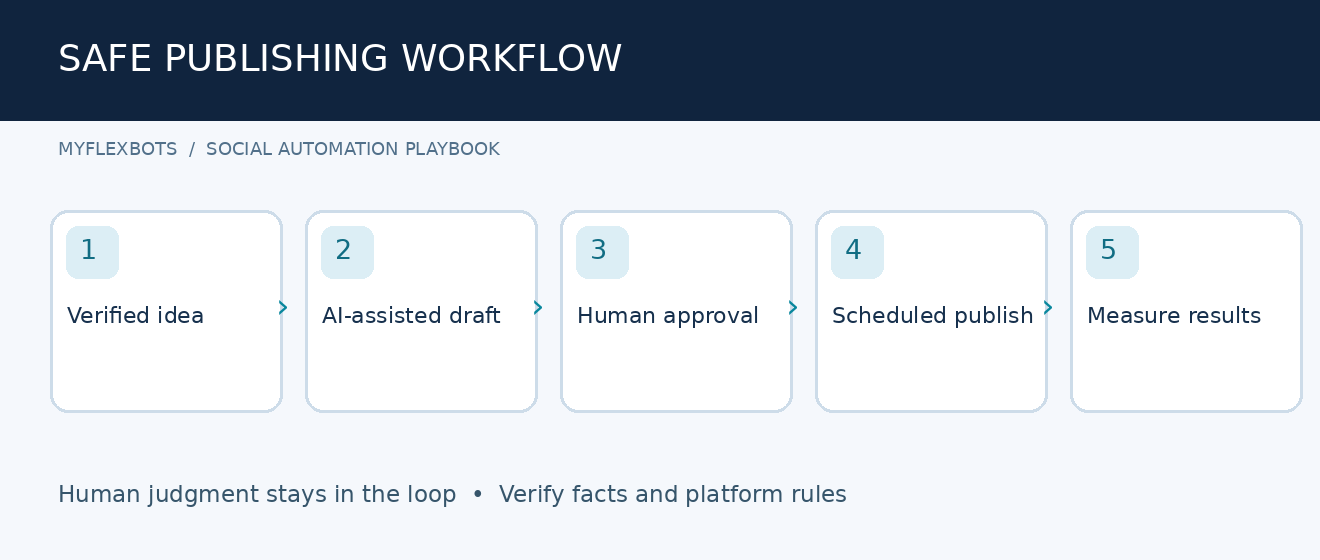
Automation can flag broken links, import product data, schedule reminders, collect analytics, and generate reporting drafts. It should not invent product experience, approve unsupported claims, or replace editorial decisions. Use AI and automation to reduce repetitive work while keeping recommendations accountable to a human reviewer.
| 💡 Quick Hack: Turn one strong comparison into a mini ecosystem: a long article, a two-minute video, a buyer checklist, three short social posts, an email lesson, and a post-purchase setup guide. Reuse research, not identical copy. |
Troubleshooting & Maintenance Guide
Affiliate sites rarely fail for one reason. Diagnose the stage where performance breaks: discovery, engagement, click, merchant conversion, approval, payout, or repeat traffic. Change one major variable at a time so you can see what actually improved.
| Problem | Likely Cause | Practical Fix | Maintenance Check |
| Traffic is near zero | The niche is too broad, content does not match search intent, the site lacks internal links, or distribution is inconsistent. | Target narrower questions, improve category hubs, publish supporting content, and promote each page in one relevant channel. | Review indexing and impressions every two weeks. |
| Visitors read but do not click | The recommendation is unclear, links appear before trust is earned, or the product does not fit the query. | Strengthen the verdict, explain criteria, add comparison context, and place the link at a genuine decision point. | Review click maps and affiliate CTR monthly. |
| Clicks are strong but sales are weak | The merchant page, price, region, device experience, or audience fit may be poor. | Test another landing page or merchant, verify mobile checkout, and separate traffic by country and content type. | Compare conversion rate by merchant and page. |
| Sales appear but commissions are reversed | Refunds, trial cancellations, invalid leads, attribution conflicts, or program rules may be responsible. | Inspect reversal reasons, tighten pre-click expectations, remove misleading claims, and confirm tracking rules. | Track reversal rate and net earnings. |
| A program rejects the application | The site may be too new, incomplete, off-topic, or missing compliance pages. | Publish a credible foundation, add about/contact/disclosure pages, explain traffic sources honestly, and reapply later. | Keep an application log and requirements checklist. |
| Rankings fall after several months | Competitors improved, the page became stale, intent shifted, or internal support weakened. | Refresh evidence, update products, answer new questions, improve internal links, and remove obsolete sections. | Schedule high-value pages every 90-180 days. |
| Revenue depends on one page | The site has concentration risk and may not cover the complete buying journey. | Build supporting tutorials, alternative comparisons, email capture, and related category pages. | Track revenue share by page and merchant. |
| Link management becomes chaotic | URLs, campaigns, and disclosures are being handled manually without a central record. | Use a link inventory with page, anchor, merchant, destination, attributes, status, and last checked date. | Run a monthly link audit. |
A Simple Weekly Maintenance Routine
- Review new comments, email replies, and search queries for unanswered questions.
- Check important affiliate dashboards for unusual changes in clicks, sales, reversals, or program notices.
- Update one high-potential page instead of publishing only new content.
- Test key links on mobile and confirm the disclosure appears before monetized links.
- Repurpose one proven section into a social post or email that sends readers to the complete resource.
- Record lessons in a decision log so the same test is not repeated without a reason.
Frequently Asked Questions
How to start affiliate marketing with no money?
Begin with a free publishing platform or social channel, a spreadsheet, free research tools, and products you already understand. Create useful content before buying a domain or software. Reinvest the first earnings into ownership assets such as a domain, reliable hosting, original testing, and email capture.
How long does it take to earn the first affiliate commission?
There is no dependable timetable. A creator with an existing audience may convert quickly, while a new website can need months of publishing, indexing, testing, and trust-building. Measure leading indicators—qualified impressions, email signups, commercial page visits, and link clicks—before judging the entire model by early revenue.
Do I need a website for affiliate marketing?
No, many programs allow social, video, podcast, or email-based promotion. A website is still valuable because it organizes evergreen content, supports search traffic, gives you more control over design and tracking, and creates an asset that is less dependent on a single platform.
What is the best affiliate niche for beginners?
The best niche is one where you understand the audience, can produce credible evidence, can reach buyers, and have enough reputable products to support many useful topics. Avoid choosing solely from public “highest paying niche” lists; those markets are often crowded and may require expertise or stricter compliance.
How many affiliate programs should a beginner join?
Start with two to five relevant programs, not dozens. A small portfolio is easier to understand, test, disclose, track, and maintain. Add another program when it fills a real product gap, improves regional access, provides a better customer experience, or reduces dependence on one merchant.
Can AI write affiliate reviews?
AI can help organize research, compare documented features, outline questions, summarize your own notes, and identify missing sections. It should not invent hands-on experience, performance results, testimonials, prices, or claims. A human editor must verify sources, add real judgment, and take responsibility for the recommendation.
Conclusion: Build Trust Before You Build Scale
Now you know how to start affiliate marketing as a real publishing business rather than a link-placement trick. Choose a focused audience, solve expensive or frustrating problems, recommend only credible offers, show your evidence, disclose the relationship, attract qualified traffic, and maintain the pages that readers depend on.
Your first target should be one excellent content cluster and one measurable conversion path—not a hundred thin posts. When that small system works, expand into adjacent questions, additional merchants, email, video, and automation without weakening the editorial standard that created trust.
Which part of the process feels hardest right now: choosing a niche, finding reputable programs, creating content, or getting targeted traffic? Share your answer in the comments so the next MyFlexBots guide can address the most common obstacle.
editor's pick
latest video
news via inbox
Nulla turp dis cursus. Integer liberos euismod pretium faucibua