25 Best Documentaries to Watch in 2026
Choosing a documentary should not take longer than watching one. Streaming libraries are crowded with sensational thumbnails, recycled true-crime formulas, celebrity projects, and excellent films that are nearly impossible to discover without a reliable filter.
This guide to the best documentaries to watch cuts through that noise with a practical 2026 shortlist, a repeatable selection system, viewing-setup advice, and genre-by-genre recommendations. You will learn what to start with, which films demand focused attention, which titles work for a group, and how to build a watchlist that stays useful instead of becoming another forgotten queue.
What Are the Best Documentary Picks for 2026?
| Featured Snippet: The best documentaries to watch in 2026 include Mr. Nobody against Putin, The Perfect Neighbor, Come See Me in the Good Light, No Other Land, Sugarcane, Fire of Love, Apollo 11, 13th, Summer of Soul, Free Solo, and The Act of Killing. Choose by mood, subject, runtime, and emotional intensity—not popularity alone. |
How This Guide Selected the Films
A strong documentary list should balance journalistic rigor, cinematic craft, access to the subject, emotional honesty, and lasting value. Awards can identify serious work, but they cannot predict whether a film fits your interests, tolerance for difficult material, or available time.
For the 2026 update, the newest recommendations were checked against the official Academy record, Sundance award announcements, and major documentary institutions. The 98th Academy Awards named Mr. Nobody against Putin the Documentary Feature winner and listed The Alabama Solution, Come See Me in the Good Light, Cutting through Rocks, and The Perfect Neighbor as nominees.
Official reference: 2026 Documentary Feature winners and nominees. The previous year’s list is also useful for comparing the 2025 Documentary Feature winner and nominees.
A useful list of the best documentaries to watch should explain not only what is acclaimed, but also why each film fits a specific viewer, mood, and level of emotional readiness.
Access: Does the filmmaker reach people, places, records, or footage that ordinary reporting cannot easily provide?
Evidence: Are major claims supported through documents, direct observation, archival material, or accountable sources?
Craft: Do editing, sound, photography, structure, and pacing clarify the subject rather than merely decorate it?
Fairness: Does the film represent uncertainty and meaningful counterevidence, even when it has a clear point of view?
Durability: Will the film remain useful after the awards cycle and streaming promotion disappear?
Viewer fit: Is the runtime, emotional intensity, and required background knowledge appropriate for the intended audience?
| 💡 Quick Hack: Use the “three-signal rule” before pressing play: one trustworthy recommendation, one reason the subject matters to you, and one practical fit such as runtime or group suitability. This eliminates most impulse choices without requiring an hour of research. |
Essential Viewing Tools & Materials Breakdown
The “tools” for a documentary project are simple, but a few choices make the difference between an absorbing experience and two hours of rewinding dialogue, checking a phone, and missing the point.
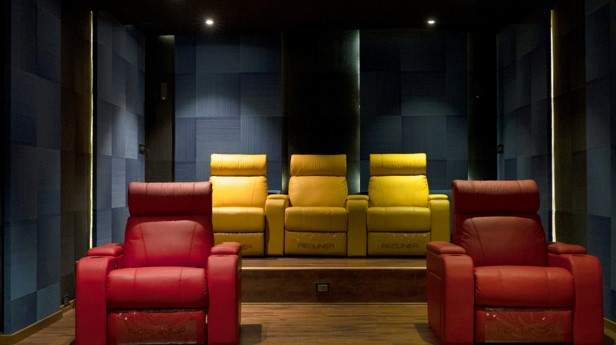
Even the best documentaries to watch lose impact when dialogue is unclear, subtitles are unreadable, or the room encourages constant distraction. Use the setup below as a practical baseline, not a shopping list.
| Tool / Material | Purpose | Estimated Cost | Skill Level | Buying / Setup Advice |
| Streaming, rental, library, or broadcaster access | Provides the legal viewing source | Free to about $25/month | Beginner | Check regional availability before planning a group screening. |
| Television, monitor, tablet, or projector | Displays detail, captions, maps, and archival material | Existing device to $1,000+ | Beginner | Prioritize a stable image and comfortable viewing distance over maximum screen size. |
| Headphones, speakers, or soundbar | Improves interviews, archival audio, and quiet dialogue | $0–$300 | Beginner | Clear dialogue matters more than heavy bass for most nonfiction. |
| Subtitles / closed captions | Clarifies names, accents, dates, and technical terms | Free | Beginner | Turn them on before the film instead of waiting until you miss a key detail. |
| Watchlist app, notes file, or spreadsheet | Tracks mood, runtime, source, and priority | Free–$10/month | Beginner | Keep a five-title active queue and archive the rest. |
| Notebook or digital notes | Captures claims, evidence, and follow-up questions | Free–$20 | Beginner | Use a four-line template rather than taking full lecture notes. |
| Content guide and trusted reviews | Screens for violence, abuse, language, and distressing themes | Free | Beginner | Check suitability without reading plot-heavy spoilers. |
| Stable internet or downloaded offline copy | Prevents quality drops and interruptions | Existing plan | Beginner | Download in advance when the service allows it and the connection is unreliable. |
Step-by-Step: Build a Documentary Watchlist That You Will Actually Use
Use this workflow whenever you are comparing the best documentaries to watch for yourself, a family evening, a class, or a discussion group. It turns a broad recommendation list into a small, realistic decision.
Define the job of tonight’s film
Decide whether you want to learn, feel suspense, understand a historical event, discover an artist, watch with family, or start a group discussion. A documentary can be excellent and still fail the evening because it solves the wrong viewing need.
Write one sentence: “Tonight I want a film that is ___ and no longer than ___.” This simple constraint is more useful than scrolling through a generic “award-winning” row.
Choose the emotional intensity
Use a three-level scale. Light includes music, craft, selected nature films, and warm biographies. Medium includes sports, science, history, and investigations without graphic detail. Heavy includes war, abuse, imprisonment, mass violence, and terminal illness.
Do not confuse importance with timing. Saving a difficult film for a prepared evening usually leads to better attention and a more respectful response.
Filter by format and runtime
A 90-minute feature, a four-hour epic, a six-part series, and a 25-minute short demand different commitments. Check the actual runtime before the group arrives.
For long series, select the first stopping point in advance. “One episode, then decide” works better than an open-ended binge.
Check the filmmaker and access
Look for the director, production company, funders, and the source of the footage. Ask whether the project has direct access, archival depth, investigative reporting, or mainly commentary from people recalling the past.
None of these formats is automatically superior. The point is to know what kind of evidence the film can realistically provide.
Verify suitability without spoiling the story
Read a content guide and one short review. Search for broad warnings—violence, suicide, sexual abuse, medical trauma, racism, war footage—without reading a scene-by-scene synopsis.
For schools, workplaces, and family groups, make suitability a deliberate decision rather than an assumption based on a documentary label.
Create a five-title active queue
Assign each title four tags: genre, intensity, runtime, and best audience. Example: “Fire of Love — science/romance — medium — 98 minutes — couple or small group.”
When one title becomes unavailable, unsuitable, or too long, the tags make the replacement obvious.
| Pro-Tip: Keep one “wild card” slot in the next-five queue for a subject you would not normally choose. Discovery disappears when every recommendation is trained only on past behavior. |
Prepare the room and device
Reduce reflections, set a comfortable volume, enable subtitles, silence notifications, and put the remote within reach. For a group, test the stream and login before people arrive.
Small friction causes large attention loss. A two-minute setup prevents ten interruptions.
Use an active but lightweight viewing method
Capture only four things: the film’s central claim, the strongest evidence, one unanswered question, and one source or term to check. This preserves attention while creating a useful record.
Pause only when confusion is blocking comprehension. Constant fact-checking during the film can destroy pacing and emotional context.
Close the loop after the credits
Rate the film on access, evidence, craft, fairness, and personal value. Then decide whether to keep, recommend, research, or forget it.
A watchlist improves when completed films generate better future choices—not merely a longer viewing history.
The 2026 Shortlist: New Award Leaders to Start With
For readers asking for the best documentaries to watch right now, the five films below form the most current starting point because they made the official 2026 Academy Documentary Feature lineup. They cover education, prisons, illness, rural leadership, and community conflict—proof that the category is a method of storytelling, not one narrow subject.
- Mr. Nobody against Putin (2025)
Category: Education, politics, and resistance
Best for: Viewers who want an urgent, firsthand account of institutional pressure.
The film follows a Russian schoolteacher and videographer documenting how propaganda and militarization enter ordinary school life. Its power comes from proximity: the camera is not observing an abstract system from outside; it is recording the system changing a familiar workplace and community.
Viewing note: Start here for the clearest snapshot of what the 2026 awards conversation valued: access, risk, moral clarity, and the transformation of daily life by political power.
- The Alabama Solution (2025)
Category: Criminal justice and investigative reporting
Best for: Viewers comfortable with disturbing material who value accountability journalism.
Built around reporting on Alabama prisons, the documentary examines violence, neglect, official narratives, and the difficulty of documenting closed institutions. It is a demanding watch because the subject is not treated as a distant policy debate; the people living inside the system remain central.
Viewing note: Watch with enough time afterward to read supporting reporting and discuss what the film could and could not independently verify.
- Come See Me in the Good Light (2025)
Category: Love, illness, poetry, and mortality
Best for: Couples, book-club viewers, and anyone seeking an emotionally generous film.
This intimate portrait follows poets Andrea Gibson and Megan Falley as they face an incurable cancer diagnosis with humor, art, fear, and affection. The film avoids turning illness into a simple lesson. Instead, it shows how two people keep making a life while the future becomes painfully uncertain.
Viewing note: A better choice than a heavy investigative film when you want something moving but not emotionally manipulative.
- Cutting through Rocks (2025)
Category: Women, local politics, and rural change
Best for: Viewers interested in leadership, social change, and Iranian life beyond headlines.
The film centers on a woman working to improve her rural community while confronting gender expectations and practical local problems. Its patient observation helps viewers understand that social change often arrives through meetings, persuasion, persistence, and small public decisions rather than dramatic speeches.
Viewing note: Pair it with a documentary from another country to compare how local leadership looks under different political and cultural conditions.
- The Perfect Neighbor (2025)
Category: Crime, race, community conflict, and public records
Best for: True-crime viewers who want evidence-led storytelling rather than reenactments.
Constructed largely from police and public-record footage, the documentary examines an escalating neighborhood conflict and its fatal consequences. The restricted visual approach creates tension while forcing attention onto repeated interactions, official response, and the gap between perceived threat and actual danger.
Viewing note: Do not treat it as background viewing. Small changes in tone, behavior, and police response carry much of the argument.
Festival context: Come See Me in the Good Light won the 2025 Sundance Festival Favorite award, while Cutting through Rocks won the 2025 IDFA Audience Award.
Recent Essential Documentaries: 2024 Award Standouts
The next five titles were central to the 2025 Academy documentary field. Together, they offer citizen documentation, survivor-led investigation, Indigenous history, wartime art, and a demanding combination of jazz and Cold War politics.
These are among the best documentaries to watch when you want recent award-recognized work that combines strong access, clear authorship, and subjects with lasting public importance.
- No Other Land (2024)
Category: Displacement, occupation, and citizen documentation
Best for: Viewers prepared for politically charged, firsthand material.
Created by Palestinian and Israeli filmmakers, the documentary records demolition, displacement, protest, and an uneasy cross-border friendship. The images are often immediate because the filmmakers are participants as well as observers.
Viewing note: Follow it with reporting from more than one reputable source. A documentary can provide extraordinary access while still presenting a particular lived viewpoint.
- Black Box Diaries (2024)
Category: Sexual violence, law, and journalism
Best for: Viewers interested in survivor-led investigative work.
Journalist Shiori Ito turns the camera toward her own effort to seek accountability after an alleged sexual assault. The film is notable for exposing the personal cost of reporting, legal resistance, public scrutiny, and the ethical pressure created when the filmmaker is also the subject.
Viewing note: Check content warnings before watching; the film discusses sexual violence and institutional failure in detail.
- Sugarcane (2024)
Category: Indigenous history, residential schools, and community memory
Best for: Viewers seeking careful historical investigation with strong human relationships.
The film follows an investigation into abuse and deaths connected to an Indigenous residential school in Canada. It combines reporting with family histories, grief, silence, and the long afterlife of institutions that tried to erase culture and identity.
Viewing note: Allow space after the film. Its quiet passages carry as much weight as its discoveries.
- Porcelain War (2024)
Category: War, art, and civilian resilience
Best for: Viewers interested in Ukraine through artists rather than battlefield analysis alone.
Artists who remain in Ukraine continue making delicate porcelain creatures while living through invasion and defense. The contrast between fragile art and military danger gives the film a visual language that is beautiful without making war beautiful.
Viewing note: Choose this when you want a human-scale war documentary focused on creative identity, home, and endurance.
- Soundtrack to a Coup d’Etat (2024)
Category: Jazz, decolonization, and Cold War politics
Best for: History and music fans willing to follow a dense, fast-moving argument.
The film connects jazz diplomacy, African independence movements, the Congo crisis, and Western political strategy. Archival footage and music create energy, but the historical density rewards viewers who pause, take notes, or read a brief timeline afterward.
Viewing note: A strong group choice because it produces debate about culture as both art and political instrument.
| 💡 Quick Hack: When a film covers an active conflict or contested political history, save two follow-up links before watching: one primary document or official record and one reputable piece from a different editorial viewpoint. This keeps research focused after the credits. |
Science, Nature, and High-Stakes Adventure
These films prove that nonfiction can be visually spectacular without sacrificing ideas. They work especially well on a larger screen, but each earns its place through character, process, risk, or ecological context—not scenery alone.
For viewers who want scale, discovery, and genuine suspense, the best documentaries to watch often come from science, nature, exploration, and high-risk problem-solving.
- Fire of Love (2022)
Best for: Couples, science fans, and viewers who prefer lyrical storytelling.
Using striking archival footage, the film follows volcanologists Katia and Maurice Krafft, whose marriage and work were shaped by a shared attraction to dangerous landscapes. The visuals are spectacular, but the deeper subject is how vocation, love, risk, and self-mythology become inseparable.
Viewing note: Watch on the largest screen available; the scale and texture of the volcanic footage matter.
- Apollo 11 (2019)
Best for: Families, students, and anyone who thinks they already know the moon landing story.
The documentary relies on restored archival images and mission audio rather than modern talking-head explanation. That choice turns a familiar historical event into a real-time operational experience full of checklists, risk, coordination, and human concentration.
Viewing note: Excellent for viewers who dislike documentaries that repeatedly explain what the footage already shows.
- Free Solo (2018)
Best for: Adventure fans and groups that want immediate suspense.
The film follows Alex Honnold’s attempt to climb El Capitan without ropes. Beyond the physical achievement, it examines preparation, emotional distance, the ethics of filming extreme risk, and the strain placed on the people who care about the climber.
Viewing note: Even non-climbers respond to its clear stakes. Avoid reading detailed spoilers before watching.
- The Rescue (2021)
Best for: Families with older children, leadership teams, and suspense fans.
The film reconstructs the rescue of a youth football team from a flooded Thai cave. It makes specialized cave-diving decisions understandable without flattening the uncertainty, cultural coordination, logistical scale, or possibility of failure.
Viewing note: Use it for a team discussion about expertise: the decisive contributors were not generic heroes but people with rare, highly specific skills.
- 13th (2016)
Best for: Students and viewers who want a forceful introduction to structural analysis.
Ava DuVernay traces links among slavery, the Thirteenth Amendment, criminalization, politics, media imagery, and mass incarceration. The documentary moves quickly through a large argument, making it accessible but also worth pausing to verify dates, laws, and competing interpretations.
Viewing note: Treat it as a starting point for further reading rather than the final word on every policy claim.

History, Justice, and Investigative Masterworks
Many of the best documentaries to watch are difficult because they challenge the viewer’s assumptions about institutions, memory, evidence, and responsibility. The titles below reward full attention and, in several cases, follow-up reading.
- The Act of Killing (2012)
Best for: Experienced documentary viewers prepared for deeply unsettling material.
Former members of Indonesian death squads reenact killings in cinematic styles they admire. The method exposes boasting, denial, performance, and fragments of recognition in a way a conventional interview could not.
Viewing note: This is one of the most challenging titles in the guide. Do not schedule it casually or immediately before sleep.
- Collective (2019)
Best for: Journalists, policy professionals, and viewers who like procedural reporting.
After a nightclub fire in Romania, reporters uncover corruption and dangerous failures in the healthcare system. The film shows investigation as a sequence of sources, documents, verification, political pressure, and consequences rather than a single dramatic revelation.
Viewing note: A particularly useful film for understanding why independent local journalism matters.
- Crip Camp (2020)
Best for: Students, educators, activists, and community groups.
The documentary begins at a summer camp where disabled young people experienced unusual freedom and community, then follows participants into the American disability-rights movement. Archival footage keeps the story personal while showing how friendship, organizing, protest, and policy change connect.
Viewing note: An accessible choice for a group because it is historically important, energetic, and rich in discussion points.
- Icarus (2017)
Best for: Viewers who like stories that change direction while filming.
What begins as an experiment about performance-enhancing drugs expands into a major doping investigation. The documentary’s appeal comes from that escalation, though viewers should distinguish between what was directly recorded, what was alleged, and what later investigations established.
Viewing note: Go in with minimal plot knowledge to preserve the film’s investigative momentum.
- O.J.: Made in America (2016)
Best for: Viewers ready for a long-form, multi-part historical analysis.
This expansive documentary uses the life and trial of O.J. Simpson to examine Los Angeles, policing, celebrity culture, racial tension, sports marketing, and television. Its length is justified because the social context is not an optional side story; it is the framework.
Viewing note: Watch in planned installments rather than binging late at night. Each part contains enough material for a separate discussion.
For additional public-interest reporting, explore the PBS FRONTLINE documentary library. For preservation-minded classic discovery, browse the National Film Registry collection.
Music, Culture, Biography, Nature, and Sports
A sustainable nonfiction habit needs more than crisis and scandal. Music, media, wildlife, and sports documentaries can be joyful, restorative, and still intellectually serious.
- Summer of Soul (2021)
Best for: Music lovers, families, and viewers who want an uplifting but substantial film.
The film restores and contextualizes footage from the 1969 Harlem Cultural Festival. Performances provide immediate joy while interviews and historical framing explain why an event with enormous cultural importance remained less visible in mainstream memory.
Viewing note: Ideal after a difficult investigative documentary because it combines celebration with historical recovery.
- Searching for Sugar Man (2012)
Best for: Viewers who enjoy a mystery structure without violent subject matter.
Two South African fans investigate what happened to the musician Rodriguez, whose records became influential there despite limited recognition in the United States. The film explores fame, rumor, artistic value, and the strange routes by which music travels.
Viewing note: Avoid searching the artist before watching; the discovery structure is part of the pleasure.
- Won’t You Be My Neighbor? (2018)
Best for: Families, educators, and viewers needing a restorative watch.
The portrait of Fred Rogers examines the deliberate craft behind a calm television presence. It shows how children’s programming can address fear, grief, conflict, and self-worth without condescension.
Viewing note: A useful reminder that gentleness on screen can be a rigorous creative and ethical choice, not a lack of complexity.
- My Octopus Teacher (2020)
Best for: Nature fans and viewers who prefer intimate narration.
A filmmaker develops a sustained observational relationship with an octopus in a South African kelp forest. The underwater photography is the obvious attraction, while the personal narration frames the experience as a lesson in attention, vulnerability, and connection.
Viewing note: Some viewers will embrace the subjective framing; others may prefer a less personal wildlife film. That difference makes it a good discussion title.
- Our Planet (2019–)
Best for: Families, visual learners, and people who want a series rather than one feature.
The series combines high-end wildlife photography with explanations of ecological connection and environmental pressure. Episodes can be selected by habitat, making it easier to fit a viewing plan around limited time.
Viewing note: Use one episode as a gateway, then pair it with reporting about the featured ecosystem and practical conservation work.
- The Last Dance (2020)
Best for: Sports fans and groups that enjoy debate about greatness and management.
Centered on Michael Jordan and the Chicago Bulls dynasty, the series blends archival footage, interviews, team politics, competition, and brand-building. Its storytelling is highly engaging, but viewers should remember that access and editorial perspective shape every sports documentary.
Viewing note: Excellent for discussion about leadership trade-offs: intensity can produce results while also creating costs for teammates and organizations.
| Pro-Tip: For a mixed group, choose a documentary with an immediate sensory hook—music, sport, nature, or a rescue—then use the discussion to move toward its deeper themes. Engagement usually comes before analysis, not after it. |
A Fast Decision Matrix by Mood
The matrix below converts the best documentaries to watch into practical choices based on mood, intensity, and viewing context, so readers can decide in under a minute.
| Your Mood / Need | Start With | Backup Choice | Why It Fits |
| Current and urgent | Mr. Nobody against Putin | The Alabama Solution | Firsthand access and institutional stakes. |
| Emotionally moving | Come See Me in the Good Light | Won’t You Be My Neighbor? | Intimacy, care, and humane storytelling. |
| True crime without reenactment overload | The Perfect Neighbor | Collective | Records, real footage, and investigative process. |
| Visually spectacular | Fire of Love | Apollo 11 | Archival images with clear human purpose. |
| Suspenseful group watch | The Rescue | Free Solo | Simple stakes, expert decisions, and genuine risk. |
| Music and cultural history | Summer of Soul | Soundtrack to a Coup d’Etat | Performance connected to political memory. |
| Deep historical challenge | The Act of Killing | 13th | Strong arguments that require reflection. |
| Long sports series | The Last Dance | O.J.: Made in America | Competition, media, race, and leadership. |
| Family-friendly starting point | Apollo 11 | Our Planet | Clear storytelling with broad appeal. |
Five Common Mistakes to Avoid
Even a carefully researched list of the best documentaries to watch can fail when the viewing process is careless. These are the errors that most often create poor choices, shallow conclusions, or abandoned queues.
Mistake 1: Choosing only by platform popularity.
A trending row measures promotion and recent attention, not journalistic quality or fit. Use popularity as a discovery signal, then evaluate the filmmaker, subject, runtime, reviews, and content warnings.
Mistake 2: Treating every documentary as neutral evidence.
Nonfiction films still select footage, structure time, choose interview subjects, use music, and build an argument. Ask what is shown, what is missing, who funded the project, and whether the subject had editorial influence.
Mistake 3: Ignoring emotional load.
A prison investigation, war diary, abuse testimony, and ecological collapse film can be excellent and still be the wrong choice for a tired evening. Match intensity to the viewer and leave recovery time after difficult material.
Mistake 4: Watching dense films while multitasking.
Historical and investigative documentaries often communicate through documents, captions, maps, dates, and visual evidence. A second screen can remove the very details that make the argument convincing.
Mistake 5: Building a queue with no decision rule.
A list of 200 titles is storage, not a plan. Keep a small “next five” list, assign each film a mood and runtime, and remove anything you repeatedly skip.
| 💡 Quick Hack: Before adding a title, write the reason in five words: “volcano footage and love story,” “prison investigation,” or “Harlem music archive.” If the reason is only “everyone is watching it,” leave it off the active queue. |
Advanced Tips and Next-Level Documentary Hacks
Once the basic selection process works, use these methods to deepen understanding without turning every film night into an academic assignment.
Create a three-film thematic set.
Choose one firsthand documentary, one historical overview, and one film from a different viewpoint. The contrast exposes framing choices and prevents a single work from carrying the full burden of explanation.
Use a simple evidence score.
After watching, rate access, source transparency, opposing viewpoints, archival support, and separation between fact and inference. The score is not about agreeing with the conclusion; it is about judging how the film earns it.
Plan a “heavy-light” rhythm.
Alternate demanding investigations with music, nature, craft, or biography. This keeps the watchlist sustainable and reduces the tendency to abandon nonfiction after one exhausting film.
Turn subtitles on by default.
Names, dates, accents, archival audio, and technical language are easier to retain when dialogue is visible. Subtitles also reduce the temptation to increase volume during quiet interviews.
Keep a one-paragraph viewing note.
Record the central claim, strongest evidence, unresolved question, and one source to check. A 60-second note turns passive consumption into a useful personal archive.
| Pro-Tip: Use AI only after you have your own notes. Ask it to organize questions, build a timeline from sources you provide, or suggest counterarguments—not to replace the film, invent evidence, or produce an unverified “fact check.” |
Continue exploring more entertainment guides, compare options in what to watch on Netflix, or use AI tools for smarter research and planning to organize notes and follow-up questions responsibly.
Troubleshooting and Long-Term Watchlist Maintenance
A documentary habit has practical failure points: slow pacing, confusing timelines, weak audio, regional availability, group disengagement, and an ever-growing queue. Use the fixes below before abandoning the film or the system.
Even the best documentaries to watch can feel inaccessible when the pace, timeline, sound, or viewing environment works against the audience. Most of those problems can be fixed without abandoning the film.
The documentary feels slow.
Give observational films 20 minutes before deciding. Check whether the pace is creating context, discomfort, or trust rather than delivering plot. If the film still feels inert, pause and return when you can watch without expecting thriller pacing.
You cannot follow the timeline.
Pause at major date cards, write down three anchor events, and consult a short chronology from a reputable source after the film. Avoid researching mid-scene unless confusion prevents basic comprehension.
The argument feels one-sided.
Separate two questions: whether the film accurately represents its chosen subjects, and whether it represents the whole debate. Then find a credible review, primary document, or documentary with a different frame.
The group is disengaged.
Assign a viewing question before starting: What changed? Which source was strongest? What did the filmmaker leave uncertain? A specific question gives viewers something to track without turning the evening into homework.
The stream is blurry or dialogue is muddy.
Pause other downloads, use a wired connection when possible, switch from television speakers to headphones or a soundbar, enable subtitles, and verify that the service is playing the highest available quality.
Your queue keeps growing.
Archive anything untouched for 90 days. Keep five immediate choices, five backups, and a separate “research later” list. A smaller queue makes the next decision easier.
Monthly Maintenance Checklist
- Remove titles that are no longer available in your region.
- Archive anything you have skipped three times.
- Keep the active queue at five films or fewer.
- Add one film outside your normal genre or country.
- Check whether a saved title needs a content warning for your group.
- Review your notes and promote one unresolved question into further reading.
- Cancel or pause subscriptions that are not producing real viewing value.
| 💡 Quick Hack: Schedule one fixed documentary slot each month and choose the title one day earlier. Removing the same-night decision prevents the common cycle of scrolling, compromise, and watching nothing. |
Frequently Asked Questions
For families, the best documentaries to watch usually combine clear storytelling, manageable intensity, and enough visual structure to hold attention without requiring specialist background knowledge.
What documentary should I watch first in 2026?
Start with Mr. Nobody against Putin for a current award-winning political film, Come See Me in the Good Light for an intimate emotional story, The Perfect Neighbor for evidence-led true crime, or Fire of Love for a visually spectacular science-and-relationship film. The right first choice depends on emotional intensity and available time.
What are the best true-crime documentaries without excessive reenactments?
The Perfect Neighbor, Collective, Icarus, and The Alabama Solution rely heavily on records, investigation, real-time reporting, or direct access rather than dramatized reconstruction. Black Box Diaries is also essential, though it centers on sexual violence and requires careful content consideration.
Which documentaries are good for families?
Apollo 11, The Rescue, Won’t You Be My Neighbor?, selected episodes of Our Planet, and Summer of Soul are strong starting points. Age suitability still varies by child; check content guidance for danger, death, discrimination, and distressing historical material.
What are the best short documentaries to watch when I have limited time?
Look at Oscar-nominated documentary shorts, PBS FRONTLINE shorter investigations, and festival short-film programs. Short does not mean simple: choose one focused question, then read a related source afterward if the film compresses complex history.
How can I tell whether a documentary is trustworthy?
Check who directed and funded it, whether claims are supported by documents or named sources, how opposing evidence is handled, whether chronology is clear, and whether the film distinguishes observed fact from interpretation. Then compare one major claim with a primary or highly reputable source.
Where can I find documentaries if a title is not on my streaming service?
Search the film’s official site, public broadcaster libraries, your local library’s digital services, university or educational platforms, rental stores, and regional streaming search tools. Availability changes by country and month, so verify before promising a group viewing.
Conclusion: Build a Smaller, Better Nonfiction Queue
The best documentaries to watch are not simply the films with the most awards, the darkest subject, or the loudest online conversation. They are the works that match your purpose, earn your attention, and leave you with a clearer question than the one you started with.
Begin with one title from the 2026 awards group, one modern classic, and one documentary outside your usual interests. Keep the queue small, verify major claims, and alternate difficult subjects with films built around music, nature, creativity, or human connection.
Which documentary changed the way you understood a real event, person, or system? Share the title and the reason in the comments so other MyFlexBots readers can add a strong recommendation to their next-five list.
Caption: A strong watchlist removes decision fatigue and leaves room for the film—not the algorithm—to hold your attention. Photo by Felix Mooneeram on Unsplash
editor's pick
latest video
news via inbox
Nulla turp dis cursus. Integer liberos euismod pretium faucibua