Trending YouTube Niches 2026: 15 Channels to Start
If you want to start a YouTube channel, the hard part is no longer finding something you could talk about. The hard part is choosing a topic with enough demand to grow, enough depth to sustain 50 or 100 videos, and a production model you can actually maintain. This guide breaks down the trending YouTube niches 2026 creators should be watching, then shows you how to validate one before spending months on the wrong channel idea.
You will learn which niches have real momentum, what makes them work, how much they cost to start, which formats fit each niche, and how to build a 30-video test plan that gives you useful data instead of guesswork.
What Are the Best YouTube Niches to Start in 2026?
| Featured snippet answer: The strongest trending YouTube niches in 2026 include practical AI tutorials, personal finance, video podcasts, sports commentary, gaming micro-niches, software tutorials, education, productivity, home improvement, specialized food content, virtual creators, creator education, hyperlocal travel, and hobby communities. The best niche combines rising demand, repeatable topics, monetization options, and a format you can publish consistently. |
YouTube itself is leaning further into creator-led entertainment, AI-assisted creation, TV viewing, podcasts, live content, and new forms of fandom. Official YouTube’s 2026 creator and platform outlook describes creators as the new stars and studios while also emphasizing higher-quality AI-assisted creativity rather than low-value automated content.
That distinction matters. A niche can be hot and still be a bad choice if your only plan is to mass-produce generic videos. In 2026, the opportunity is in specific expertise, recognizable point of view, useful packaging, and repeatable formats.
Essential Tools & Resources: What You Actually Need
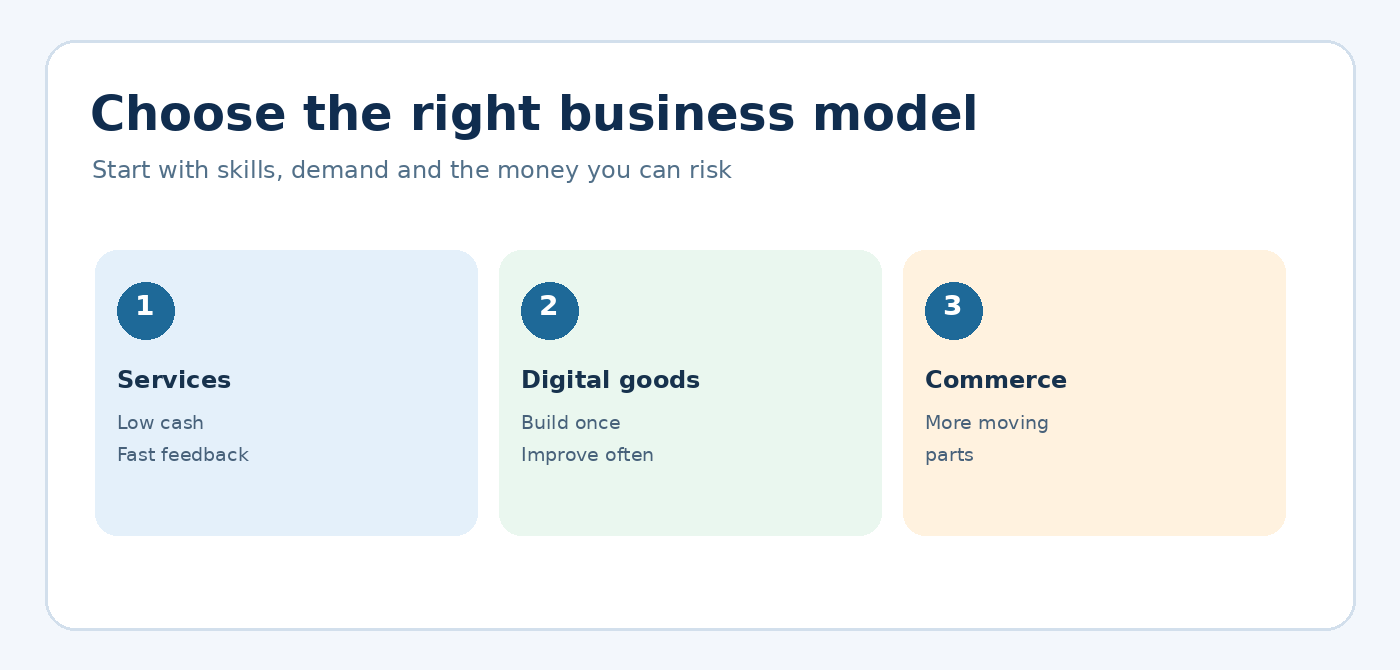
You do not need a cinema camera or a $3,000 studio to test a niche. Your first goal is to create clean, watchable videos fast enough to learn what viewers respond to.
| Tool or Resource | What It Does | Typical Starter Cost | Skill Level | Best Budget Move |
| Smartphone or webcam | Records: talking head, demos, Shorts, B-roll | $0-$500 if already owned | Beginner | Use your current phone before buying a camera. |
| USB or lavalier microphone | Improves voice clarity | $20-$120 | Beginner | Prioritize audio before camera upgrades |
| Basic light or window light | Makes faces/products look cleaner | $0-$80 | Beginner | Face a large window and diffuse harsh light. |
| Screen recorder | Captures software, tutorials, presentations | $0-$20/month | Beginner | Start with built-in or free screen recording |
| Video editor | Cuts footage, adds captions, B-roll, graphics | $0-$30/month | Beginner-Intermediate | Use a free editor until the output volume justifies paid tools |
| Thumbnail design tool | Builds thumbnails and visual identity | $0-$15/month | Beginner | Create 2-3 reusable templates |
| Research + analytics | Validates demand and reviews performance | $0-$50/month | Intermediate | Combine YouTube search, Studio, and Google Trends. |
| Cloud/storage drive | Stores footage and project files | $0-$20/month | Beginner | Archive only reusable footage and final masters |
| AI assistant | Helps outline, research, repurpose, and ideate | $0-$30/month | Beginner-Intermediate | Use AI as an assistant, not a substitute for expertise. |
| 💡 Quick Hack: Spend your first $100 on sound, light, and workflow, not a fancy camera. Viewers will tolerate average image quality much longer than echoing audio, rambling structure, or painfully slow pacing. |
How We Chose the Trending YouTube Niches 2026
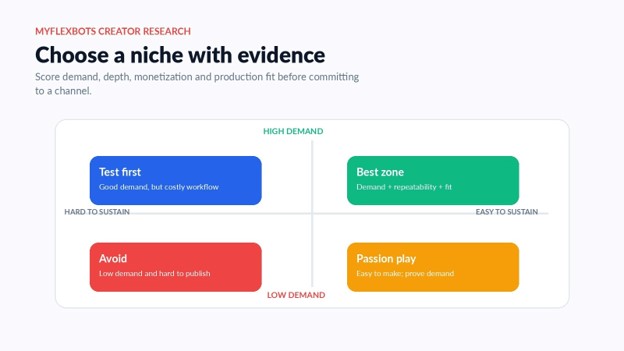
A useful niche list should be based on more than “this topic feels popular.” We used five practical filters that any creator can repeat.
- Demand Is Visible in More Than One Place
Look for signals across YouTube autocomplete, suggested videos, recent breakout channels, Google search interest, Reddit or community discussion, product launches, news cycles, and recurring questions. Use Google Trends to compare topics over 12 months and five years so you can tell the difference between a temporary spike and a durable category.
Also review YouTube Culture & Trends for platform-specific behavior. For example, YouTube has highlighted the scale of creator-led fandom, tier-list videos, virtual creators, sports coverage, and multi-format entertainment. Those signals are more useful than copying a random “top niches” list.
- The Niche Has Topic Depth
A good channel idea should produce at least 50 credible video titles without forcing repetition. If you can only think of seven videos, you have a video idea—not a channel niche.
Build topic depth from five buckets: beginner questions, comparisons, mistakes, news or updates, and advanced use cases. If each bucket gives you 10 solid titles, the niche passes the depth test.
- The Audience Has a Reason to Return
One-off search traffic is useful, but a durable channel needs repeat viewing. Returning audiences form around progress, identity, expertise, entertainment, or community.
A viewer may search once for “how to reset an iPhone,” but they may return weekly for “best AI workflows for freelancers” because tools and workflows keep changing.
- Monetization Exists Beyond Ad Revenue
Ad rates vary, and platform revenue should not be your only business model. Strong niches can support affiliate links, sponsorships, digital products, courses, memberships, consulting, services, merchandise, events, or lead generation.
A channel with 20,000 highly relevant viewers in a commercial niche can be more valuable than a broad entertainment channel with far more views.
- Production Fits Your Reality
If you hate being on camera, choose a format that works with screen recordings, hands-only demos, narration, animation, interviews, or documentary editing. If you have only five hours a week, avoid a niche that requires 20 hours of field shooting per episode.
| Pro-Tip: Score every idea from 1 to 5 for demand, depth, monetization, production fit, and personal credibility. Do not choose the highest-demand topic automatically. Choose the highest total score you can sustain for a year. |
15 Trending YouTube Niches With Real Potential
The list below is not a promise that every channel will grow. It is a practical map of categories where demand, platform behavior, commercial opportunity, or creator-led fandom make the trending YouTube niches of 2026 worth testing.
When comparing trending YouTube niches in 2026, focus on the sub-niche and audience promise rather than assuming an entire category is automatically easy or profitable.
- Practical AI Tools and Workflow Tutorials
AI is no longer a single niche. It is becoming a layer across work, design, programming, marketing, video, education, research, and small business operations. That creates room for channels that are narrower and more useful than “AI news.”
The strongest angle is outcome-based content. Instead of “10 new AI tools,” make videos such as “I automated client reporting with three tools,” “Best AI workflow for real estate agents,” or “How to edit a podcast into 10 Shorts.”
This category fits screen recordings, face-to-camera explanations, case studies, live demos, and comparison videos. It also connects naturally to MyFlexBots resources on AI tools for content creation and the best AI tools for 2026.
Monetization can come from software affiliates, sponsors, templates, consulting, workflow setup, and training. The risk is becoming generic. A strong channel chooses a user type + problem, such as AI for teachers, AI for e-commerce sellers, AI for accountants, or AI for video creators.
| 💡 Quick Hack: Build videos around tasks that take viewers 30-120 minutes to solve on their own. Those problems are specific enough to rank in search and valuable enough to support affiliate or service revenue. |
- Personal Finance for a Specific Life Stage
Finance remains commercially valuable, but broad “make money” content is crowded. The opening is specialization: first-job budgeting, money for freelancers, family budgeting, debt payoff, expat finance, beginner investing education, small-business cash flow, or finance for a specific country.
The best videos combine clear numbers, realistic scenarios, and disclaimers. Avoid promising returns or presenting personalized financial advice when you are not qualified to do so.
For creators who also cover earning strategies, an internal link to popular side hustles 2026 can strengthen the topic cluster.
Among the trending YouTube niches for 2026, this one rewards trust more than upload volume. A smaller audience that believes your calculations and methodology is more valuable than viral traffic built on exaggerated income claims.
- Video Podcasts and Expert Conversations
Video podcasts continue to become more native to YouTube, particularly on televisions and living-room screens. YouTube reported that viewers watched more than 700 million hours of podcasts on living-room devices in October 2025, a major signal that podcast content is not confined to phones or audio apps.
The opportunity is not “start a podcast about anything.” its own conversation category. Examples include founder breakdowns, career stories from one industry, local business interviews, sports analysis, parenting experiences, design critiques, or weekly expert roundtables.
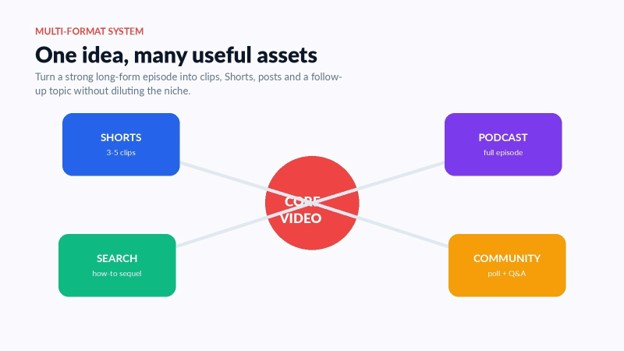
A long episode can also become multiple Shorts, clips, quote posts, newsletters, and follow-up videos. That makes podcasting efficient when the guest or topic is strong.
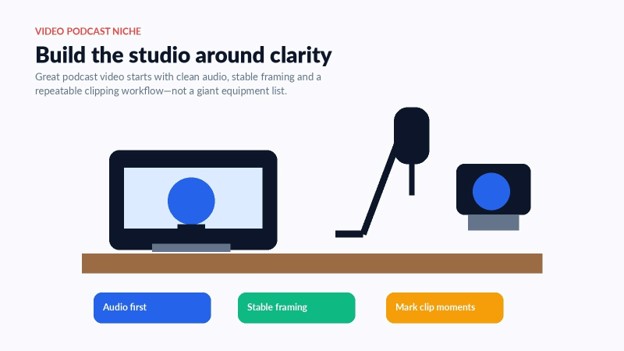
| Pro-Tip: Record every interview with a “clip sheet.” Before the guest leaves, mark 5-8 moments that can stand alone as 30-90 second clips. This cuts repurposing time dramatically. |
- Sports Commentary, Fan Analysis and Creator-Led Coverage
Sports is becoming increasingly creator-driven on YouTube. During the 2026 FIFA World Cup, YouTube reported more than 1.7 billion unique viewers watched World Cup-related videos on the platform. That included official coverage, creator vlogs, live streams, challenges, reactions, and behind-the-scenes content.
New channels should not compete by re-uploading copyrighted match footage. Better formats include tactical explainers using original graphics, fan debates, transfer analysis, player stories, stadium/travel guides, fantasy sports education, historical breakdowns, or local club coverage.
The winning strategy is speed plus perspective. A fan does not need another summary they can get from a sports app. They want an interpretation, argument, emotional reaction, data point, or story.
- Gaming Micro-Niches and Creator-Made Games
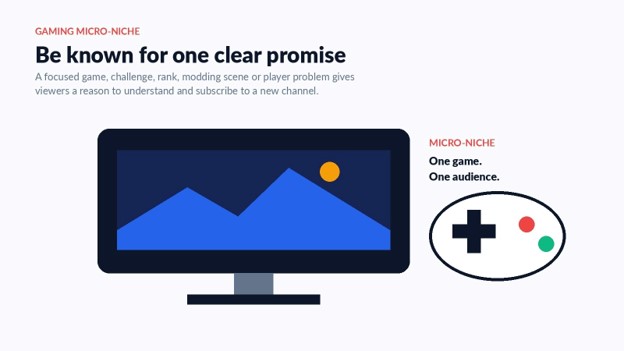
Gaming is enormous, which is exactly why “gaming channel” is too broad. A better strategy is to build around one ecosystem, play style, challenge format, modding scene, speedrunning category, simulation genre, creator-made game, or competitive learning path.
YouTube’s 2025 trend coverage highlighted creator-made Roblox experiences among major cultural topics, while its Culture & Trends data continues to show deep participation in gaming communities. That suggests opportunity for creators who become recognizable specialists inside smaller game communities.
Good formats include “beginner to ranked,” patch-note analysis, challenge runs, lore, build guides, update predictions, mod showcases, comparisons, and documentary-style stories about a game’s community.
For the trending YouTube niches of 2026, gaming works best when the channel promise is narrower than the creator’s personal taste. Viewers need to understand why they should subscribe after one video.
- Software Tutorials and “How I Use It” Channels
Software tutorials are durable because new users constantly enter popular tools, while updates create fresh questions. The highest-value videos are not feature tours; they are problem-solving workflows.
Examples include Excel for construction estimators, Canva for real estate listings, Notion for students, WordPress for service businesses, CapCut for product videos, or automation tools for agencies.
This niche is especially attractive for faceless creators because screen recordings can carry most of the teaching. It also supports affiliate revenue and service leads when the software is tied to a business outcome.
| 💡 Quick Hack: Before recording, search the software name plus “how to,” “vs,” “not working,” “template,” and “for beginners.” Those modifiers reveal high-intent topics that generic trend tools often miss. |
- Education and Deep Explainers
Educational YouTube is broader than school lessons. It includes coding, language learning, science, history, economics, law basics, engineering concepts, professional certifications, writing, design, and practical life skills.
The best educational channels create a visible progression. A viewer should be able to start with “Lesson 1” and know what to watch next, even if each video can also rank independently in search.
Build series, playlists, downloadable notes, quizzes, or projects. Education is also a strong fit for long-form TV viewing because viewers often prefer a focused 15-40 minute explanation over a fragmented sequence of Shorts.
- Productivity, Career System and Workflows
Generic productivity advice has been done for years, but the niche keeps renewing because tools, hybrid work, AI, job markets, and workplace expectations change. The best current angle is specific systems for specific workers.
Think “productivity for lawyers,” “weekly planning for freelancers,” “project management for small agencies,” “career systems for new managers,” or “email and calendar workflows for executives.”
This content can be built from real templates, demonstrations, before-and-after workflows, and experiments. It monetizes through software, templates, coaching, courses, and sponsorships.
- Fitness, Healthy Habits, and Evidence-Aware Wellness
Health and fitness remain evergreen, but creators need to be more careful with medical claims. Safer, useful sub-niches include home workouts, mobility routines, walking programs, beginner strength training, meal-prep habits, sleep routines, recovery tools, and fitness for specific schedules or age groups.
The strongest content demonstrates form, progression, equipment choices, or habit systems. If you discuss disease, diagnosis, supplements, treatment, or medical outcomes, use qualified sources and make the limits of the content clear.
A channel can stand out by documenting realistic progress instead of promising extreme transformations.
- Home Improvement, Smart Home and Small-Space Upgrades
DIY and home improvement benefit from strong search intent, visual transformation, and product monetization. A creator does not need to renovate whole houses. Smaller niches can focus on renter-friendly upgrades, tiny apartments, organization, budget lighting, tool basics, home networking, smart-home setup, repairs, or beginner woodworking.
Videos perform well when the thumbnail shows a clear before/after and the title names the result, budget, or constraint. Cost breakdowns and mistake sections make the content especially useful.
- Specialized Food and Budget Cooking
Food is crowded, but audiences still subscribe to clear constraints. Examples include high-protein budget meals, Pakistani air-fryer recipes, 15-minute office lunches, cooking for one, freezer meals, beginner baking, regional street-food recreations, or meals under a fixed weekly budget.
A tight concept helps viewers know what they will get next week. It also opens affiliate opportunities around appliances, cookware, meal planners, and ingredients.
The production shortcut is batch filming: prepare three recipes in one kitchen session and capture reusable B-roll such as chopping, seasoning, mixing, and plating.
- Virtual Creators, Animation and Digital Personas
YouTube’s Culture & Trends team has described virtual creators as a meaningful new frontier rather than a novelty. This includes animated avatars, VTubers, motion-graphic personalities, fictional hosts, and digital characters that build real communities.
The barrier is creative consistency. A virtual persona needs a clear voice, visual identity, recurring format, and world that viewers can understand. The technology is becoming easier, but personality and storytelling remain the differentiators.
This can work for gaming, commentary, education, music, storytelling, or comedy. It can also reduce the pressure of appearing on camera, although animation and rigging can add production time.
- Creator Education and YouTube Growth Experiments
As more people treat YouTube as a business, there is continuing demand for channel strategy, thumbnails, storytelling, analytics, monetization, sponsorships, production systems, and creator tools.
The problem is credibility. A new channel that only repeats “post consistently” will struggle. A stronger format is transparent experimentation: publish 30 Shorts and report the data, test three thumbnail styles, compare editing workflows, or document the growth of a new channel from zero.
This niche benefits from case studies because the creator’s own channel becomes evidence.
- Hyperlocal Travel, Events and “What It’s Really Like” Guides
Broad travel vlogging is expensive and competitive. Hyperlocal travel is more practical: one city, region, route, airport, event type, family-travel problem, budget category, or seasonal calendar.
Examples include “Dubai weekend itineraries without a car,” “hidden food streets in Lahore,” “what $50 buys in Kuala Lumpur,” “first-timer guide to a specific festival,” or “airport transfer walkthroughs.”
Search traffic can be strong because viewers often watch shortly before spending money. Monetization can include hotels, tours, luggage, travel services, local sponsors, and affiliate bookings.
- Hobby Deep Dives, Collectibles and Tier-List Communities
Hobby content can look small until you see how intensely people watch it. Cameras, watches, mechanical keyboards, fragrances, aquariums, fountain pens, model kits, coffee gear, sneakers, LEGO, trading cards, gardening, sewing, and dozens of other communities reward expertise.
YouTube has reported more than a billion views in the first half of 2025 on videos with “tier list” in the title, which shows the appetite for comparison and ranking formats across fandoms.
The opportunity is to become the person who helps viewers choose, compare, fix, collect, or improve within one hobby. These audiences often have strong purchase intent, which can make affiliate revenue meaningful even without massive view counts.
Step-by-Step: How to Choose and Launch Your Niche
A list of ideas is useful, but execution matters more. Use this process to turn a niche hypothesis into a channel with measurable evidence.
Build a Three-Niche Shortlist
Choose three ideas where you have at least one advantage: experience, access, curiosity, professional credibility, location, equipment, network, or a distinctive perspective.
Do not choose 10. Too many options encourage endless research instead of publishing.
Write 20 Video Titles for Each Niche
Give yourself 30 minutes per niche. Write titles from these buckets:
- Five beginner questions.
- Five comparison or “best” topics.
- Five mistakes, fixes, or troubleshooting topics.
- Five timely updates, experiments, or opinion topics.
If a niche feels exhausted after 10 titles, eliminate it. If 20 titles produce another 20 ideas, that is a positive signal.
Validate Search and Browse Demand
Search each topic on YouTube and look at the last year of results. You are looking for proof of current viewing, not just huge historical videos.
Check whether smaller or newer channels have videos outperforming their subscriber base. That can indicate demand is not completely locked up by incumbents.
Then compare terms in Google Trends. Look at seasonality, geographic differences, and whether related queries are rising. For trending YouTube niches 2026, validation should combine search behavior with what the recommendation feed is already rewarding.
Define a One-Sentence Channel Promise
Use this formula:
“I help [specific audience] get [specific result] through [specific format or expertise].”
Examples:
I help freelance designers use AI tools to finish client work faster through weekly real-workflow demos.
I help beginner runners build a safe 5K habit through short training plans and form breakdowns.
I help Roblox players master one competitive game through update guides, challenges, and ranked progression.
A strong channel promise helps you reject off-topic ideas later.
Choose a Format Stack
Use one primary format and one supporting format.
Primary long-form: tutorials, explainers, reviews, case studies, interviews, documentaries.
Primary Shorts: fast tips, reactions, mini demos, quick stories, challenges.
Supporting live: Q&A, game streams, analysis, workshops, event coverage.
Supporting community: polls, follow-ups, behind-the-scenes, audience research.
Do not start with every format. Build one production muscle first.
Design a 30-Video Test
Thirty videos is not a magic number, but it is enough to expose patterns. Divide the test into three blocks of 10.
Videos 1-10: Topic discovery. Test different subtopics while keeping production simple.
Videos 11-20: Packaging improvement. Double down on the best topics and improve titles, thumbnails, hooks, and pacing.
Videos 21-30: Series building. Turn winning topics into repeatable series and link videos together with playlists, end screens, and verbal recommendations.
| 💡 Quick Hack: Create three “content franchises” before launch. A franchise is a repeatable title structure such as “I Tested X for 7 Days,” “X vs Y for Beginners,” or “Fix This in 10 Minutes.” Repeatable formats reduce planning fatigue. |
Make the First 30 Seconds Earn the Next 30
Do not open with a long logo animation, biography, or generic greeting. Tell viewers what they are going to get and why the video is worth staying for.
A practical opening formula:
- State the problem.
- Show the outcome or proof.
- Explain what will happen in the video.
- Start delivering immediately.
For Shorts, the first second or two matters even more because viewers can swipe instantly.
Package Before You Edit
Write the working title and sketch the thumbnail before finishing the video. If you cannot express the idea clearly in one title and one visual, the concept may be too vague.
Good packaging is not clickbait. It is a precise promise. The title and thumbnail should create a question the video actually answers.
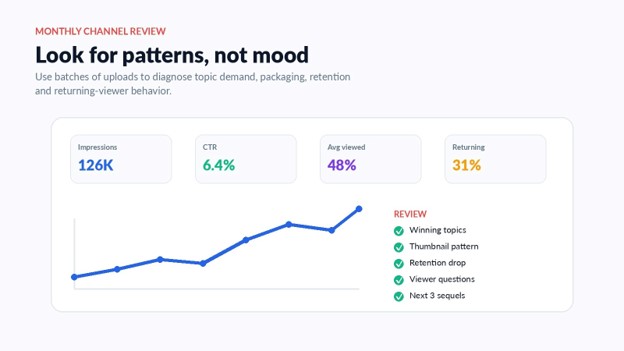
Review Analytics in Batches, Not Emotionally
Do not change your entire strategy because one video underperforms. Review every 5-10 uploads.
Look for patterns in:
impressions
click-through rate
first 30-second retention
average percentage viewed
returning viewers
subscribers gained per video
traffic source
comments that reveal new questions
Keep, Narrow or Pivot
After 30 videos, choose one of three moves.
Keep: Multiple topics are gaining impressions and viewers return. Continue and improve execution.
Narrow: One subtopic consistently beats the rest. Reposition the channel around that winning audience need.
Pivot: Even your best-executed videos show weak demand, you dislike production, or the business model is poor. Take the skills and data into a new niche rather than abandoning YouTube completely.
Common Mistakes Beginners Make
Mistake 1: Choosing a Niche Only Because It Has a High CPM
A high-value advertiser category is useless if you cannot produce credible content or attract the right audience. Monetization follows trust and attention.
Fix: Choose a commercially useful niche where you can contribute real expertise, testing, research, access, or storytelling.
Mistake 2: Making the Niche Too Broad
“Technology,” “fitness,” “gaming,” and “finance” are industries, not useful new-channel positioning.
Fix: Add an audience, outcome, format, or constraint. “Tech for small restaurants” is clearer than “tech.”
Mistake 3: Copying Competitors Instead of Studying Viewers
Copying a successful channel can make you look like a weaker version of the original.
Fix: Read comments, community posts, reviews, forums, and search suggestions to find what viewers still need. Build from unanswered demand.
Mistake 4: Publishing Automated AI Content With No Editorial Value
AI can accelerate research, captions, rough cuts, translation, and ideation. It can also produce generic scripts, incorrect claims, repetitive visuals, and low-trust videos.
YouTube’s 2026 outlook explicitly discusses managing low-quality “AI slop.” That is a useful warning for anyone chasing trending YouTube niches 2026 with an automation-first strategy.
Fix: Use AI to remove mechanical work. Keep human judgment for topic selection, fact-checking, examples, opinions, demonstrations, and final editing.
Mistake 5: Changing Direction Before You Have Enough Data
Beginners often upload three videos, see low views, switch niches, then repeat the cycle.
Fix: Commit to a defined test—such as 20-30 videos—while improving one variable at a time. A bad thumbnail is not proof of a bad niche.
Advanced Tips and Next-Level Hacks
Build for Search and Recommendation
Search-led videos answer explicit questions. Browse-led videos create curiosity around a broader promise. Strong channels use both.
For example, a software channel might publish “How to Remove Background Noise in CapCut” for search and “I Edited the Same Video in 5 Apps—Only 2 Were Worth It” for browse.
Make Long-Form TV Friendly
YouTube has reported more than a billion hours of content watched on TVs daily, and TV became the primary device for YouTube viewing in the U.S. in its 2025 reporting. That makes clear audio, larger on-screen text, strong storytelling, and longer sessions more important for many niches.
Avoid tiny screen recordings with unreadable menus. Zoom into important controls and narrate what viewers need to see.
Use Shorts as Discovery, Not the Entire Business Model
Shorts can expose a creator to a large audience, but the strongest channel strategy connects short-form discovery to deeper content.
Turn one long tutorial into 3-5 Shorts that answer micro-questions and point viewers toward the full guide. A video podcast can produce even more shoulder content.
Design for Global Reach When the Topic Travels
YouTube has expanded tools such as auto dubbing, and many creator niches have global demand. If your content is visual and the subject crosses borders—software, gaming, crafts, cooking, education—clean narration and simple on-screen language make localization easier.
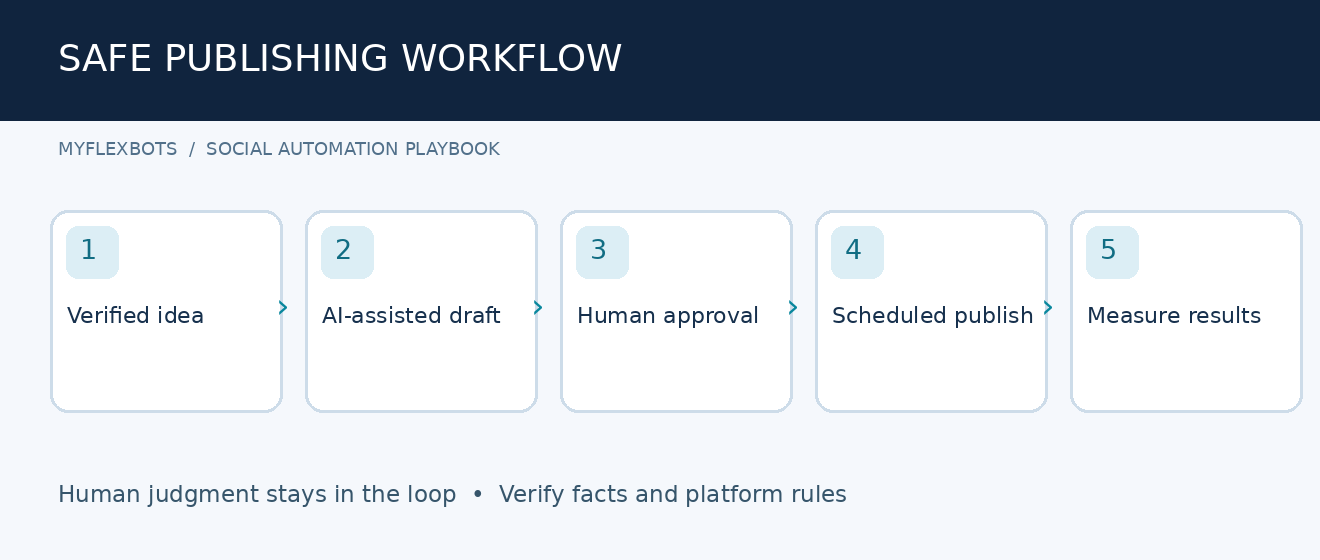
Create a Sponsor Map Before You Need Sponsors
List 20 companies that would logically want your audience. If you cannot name five, your niche may still be viable, but you should know that sponsorship options could be limited.
Map each sponsor to a natural content context. A productivity app fits a workflow tutorial. A microphone fits a podcast setup video. A random sponsor forced into an unrelated video hurts trust.
Build an Owned Asset
YouTube gives you reach; an email list, website, template library, or community gives you a direct relationship with viewers.
Offer a useful companion resource: a checklist, spreadsheet, prompt library, shopping list, study guide, workout tracker, or comparison sheet. This also reveals which viewers have the strongest intent.
| 💡 Quick Hack: Turn your five best videos into one downloadable resource and use it as the foundation of an email list. You are repackaging proven value instead of inventing a lead magnet from scratch. |
Troubleshooting: What to Do When the Channel Is Not Growing
Problem: Videos Get Almost No Impressions
Possible causes include an unclear topic, weak channel history, low demand, or a video that YouTube has not found an audience for yet.
What to do: Publish more tightly related videos so the platform and viewers can understand the audience. Use clearer titles that name the topic rather than clever but vague phrases.
Problem: Impressions Are High but Clicks Are Low
This is usually a packaging problem.
What to do: Rewrite the title around a stronger result, contrast, mistake, question, or constraint. Simplify the thumbnail. One visual idea is usually stronger than five small objects and six words of text.
| Pro-Tip: Save your original thumbnail and title. When you test a new version, note the date and compare results over a meaningful number of impressions rather than checking after 20 minutes. |
Problem: People Click but Leave Early
The title and thumbnail may promise something the opening does not deliver, or the introduction may be too slow.
What to do: Cut greetings, repeated context, and unnecessary previews. Show the result earlier. Move background information after the first useful payoff.
Problem: Shorts Get Views but Long Videos Stay Flat
The Shorts audience may not match your long-form promise.
What to do: Create Shorts from the same topic clusters as long-form videos. Use a Short to answer one piece of a bigger question, not an unrelated viral trend.
Problem: Production Takes Too Long
You may be over-editing before proving demand.
What to do: Create a “minimum viable edit” standard: clean cuts, clear audio, essential graphics, captions where useful, and only B-roll that explains or resets attention. Save cinematic editing for proven formats.
Problem: You Are Running Out of Ideas
A healthy niche should create new questions as you publish.
What to do: Mine comments, competitor comments, search suggestions, product updates, subreddit questions, customer reviews, and your own analytics. Turn one winning topic into beginner, advanced, comparison, mistakes, update, and case-study versions.
Problem: The Niche Is Growing but You Hate Making the Videos
That is a real business problem. Consistency becomes harder when every upload feels expensive or draining.
What to do: Change the format before changing the niche. Move from cinematic vlogs to voiceover guides, from weekly interviews to monthly deep dives, or from daily news to evergreen analysis.
Maintenance: A Simple Monthly Channel Review
Once a month, spend 60-90 minutes reviewing the channel as a portfolio rather than individual uploads.
- List the five videos that generated the most watch time.
- Identify the topic pattern they share.
- List the five strongest thumbnails by click-through rate, controlling for traffic source where possible.
- Note the biggest retention drop in your top videos.
- Collect 20 viewer questions from comments and search.
- Decide which three topics deserve sequels.
- Retire one format that consumes time without producing useful results.
This routine keeps your content strategy connected to evidence instead of mood.
Frequently Asked Questions
What YouTube niche is growing fastest in 2026?
There is no single niche that grows fastest for every creator. AI workflows, creator-led sports coverage, video podcasts, gaming subcultures, software education, and virtual creators all have strong current signals. Growth depends on the subtopic, packaging, competition, publishing quality, and whether the creator serves a clearly defined audience.
Which niche is best for a faceless YouTube channel?
Software tutorials, animation, documentary explainers, gaming guides, data stories, product comparisons, educational videos, and narrated hobby content can all work without showing your face. Faceless does not mean personality-free; viewers still need a recognizable voice, point of view, visual style, or expertise.
Which of the trending YouTube niches 2026 is easiest for beginners?
The easiest niche is one that uses skills and tools you already have. Screen-recorded software tutorials, practical educational videos, hobby guides, and simple Shorts can be inexpensive to test. Avoid choosing a niche solely because someone calls it “easy”; sustainable production and credible knowledge matter more.
How many videos should I publish before changing niches?
Aim for a structured test of roughly 20-30 videos unless you discover an obvious problem earlier, such as copyright risk, no topic depth, or a production model you cannot sustain. Review patterns every 5-10 uploads and improve packaging and retention before blaming the niche.
Are YouTube Shorts better than long-form videos for a new channel?
They serve different jobs. Shorts can provide fast discovery and rapid topic testing, while long-form videos can build deeper trust, more watch time, stronger search visibility, and more room for detailed monetization. Many channels benefit from using Shorts to support the same topic clusters as long-form content.
Can AI run a YouTube channel automatically?
AI can help with research, outlines, transcription, rough edits, captions, localization, B-roll ideas, and repurposing. Fully automated channels risk factual errors, repetitive content, weak originality, copyright problems, and low audience trust. Treat AI as a production assistant and keep human editorial judgment in the workflow.
Conclusion: Pick a Niche You Can Prove, Not Just Predict
The best trending YouTube niches 2026 are not shortcuts to guaranteed views. They are areas where current demand and platform behavior create opportunity for creators who can choose a specific audience, build a repeatable format, package videos clearly, and improve from real performance data.
Start with three niche ideas, write 20 titles for each, validate demand, choose a one-sentence channel promise, and commit to a 30-video test. That process is far more reliable than endlessly searching for a “perfect” niche with no competition.
editor's pick
latest video
news via inbox
Nulla turp dis cursus. Integer liberos euismod pretium faucibua